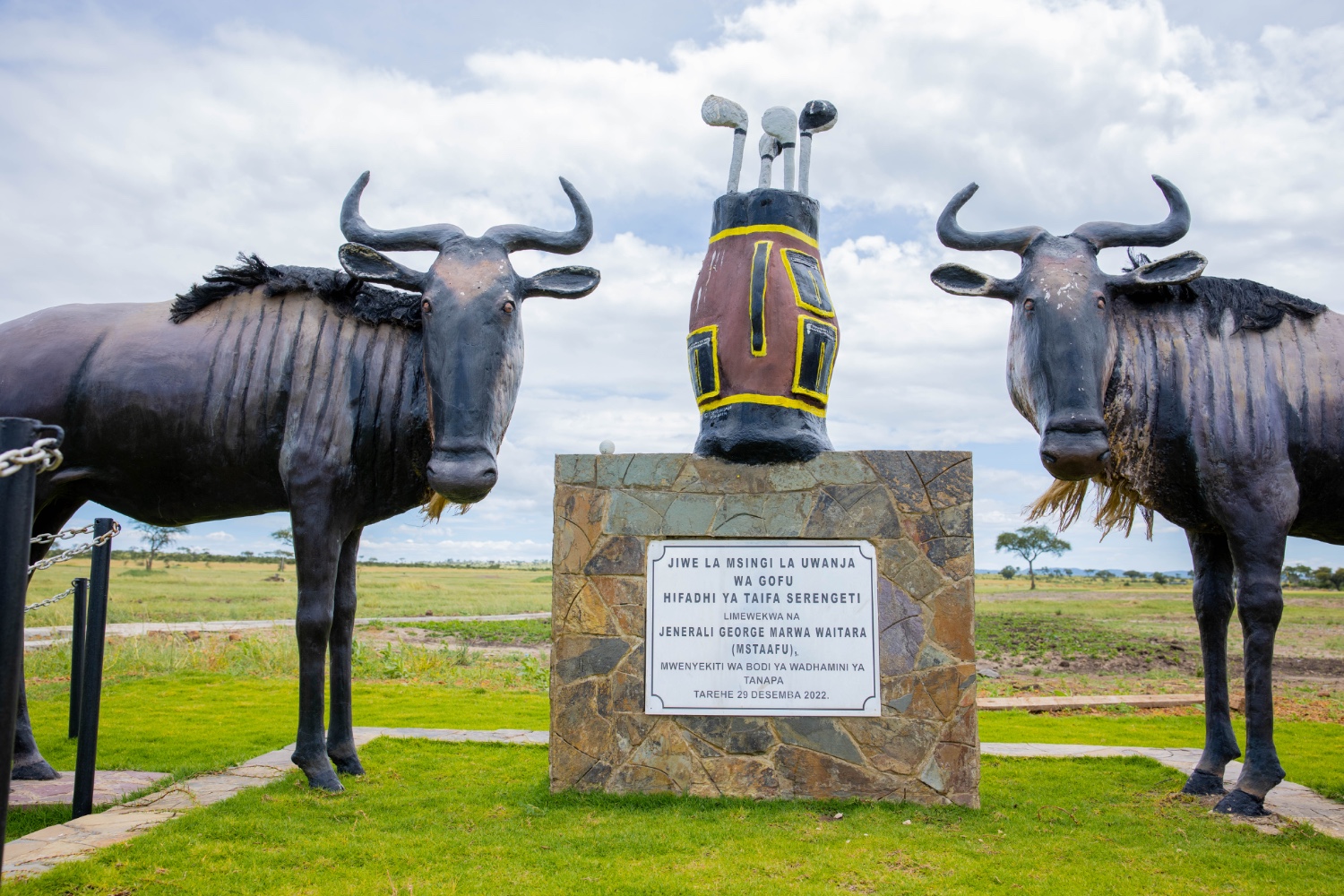
Kairuki Stresses Sustainability in Tanzania’s Golf Tourism Drive
By Staff Writer-October 22,2026
Tanzania’s new Serengeti National Park Golf Course presents an opportunity to attract more international visitors, increase tourism earnings, create employment and support wildlife conservation, Tanzania’s High Commissioner to the United Kingdom, Ambassador Mbelwa Kairuki, has said.
Welcoming the launch of the golf course at Fort Ikoma in Serengeti District, Mara Region, Ambassador Kairuki said the investment could help diversify Tanzania’s tourism offering by combining golf, wildlife, cultural heritage and the beaches of Zanzibar into a distinctive international holiday experience.
“The Serengeti golf course presents an opportunity to position Tanzania as a destination where visitors can enjoy world-class wildlife experiences, golf, cultural heritage and the beaches of Zanzibar as part of one memorable holiday,” he said.
He noted that the project’s long-term success would depend on effective international marketing, responsible environmental management, community participation and partnerships capable of delivering lasting economic benefits.
“The success of this investment will not be measured by the golf course alone. It will depend on our ability to attract visitors, create jobs, strengthen local businesses and ensure that tourism growth delivers meaningful benefits to Tanzanians,” Ambassador Kairuki said.
The course was officially launched on October 18, 2026, as part of the Sixth-Phase Government’s strategy under President Samia Suluhu Hassan to develop tourism products that combine wildlife conservation, sports and recreation.
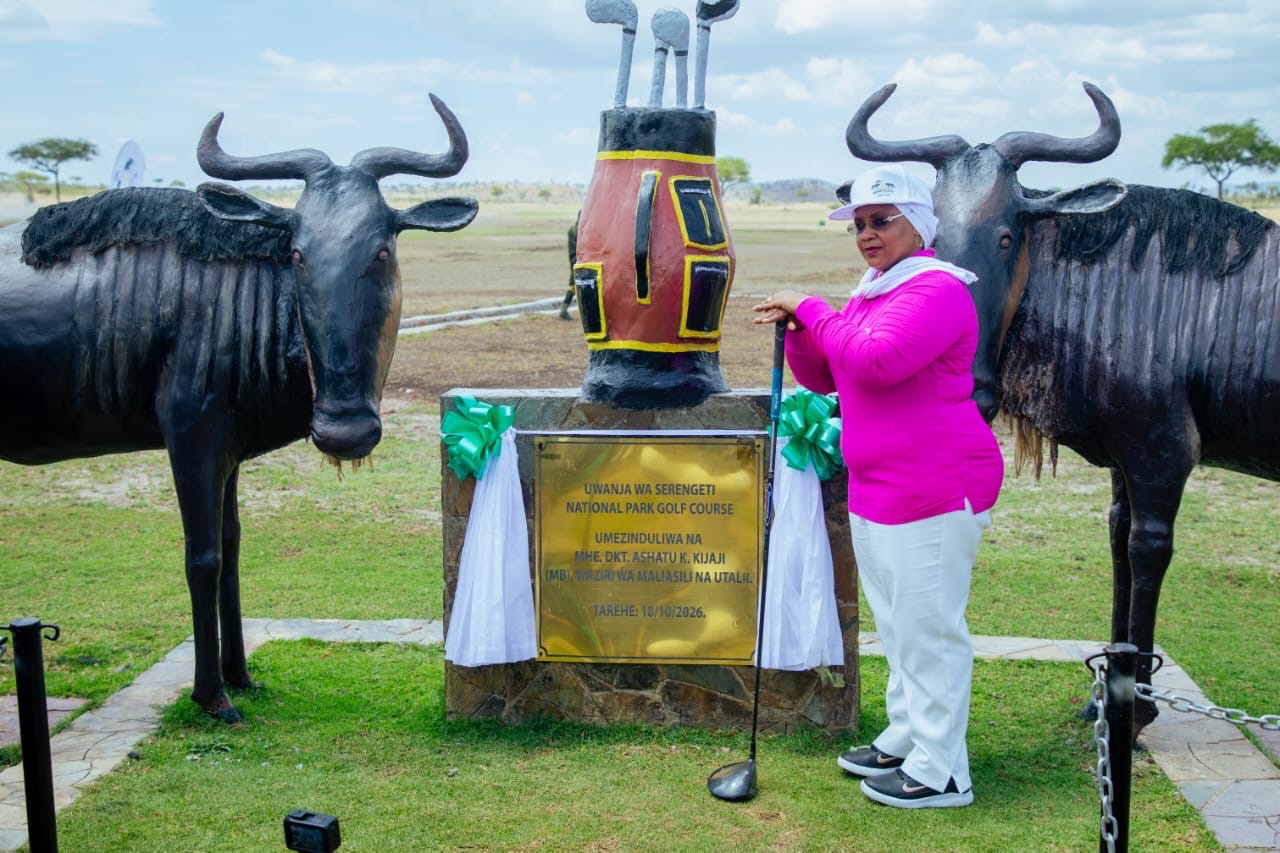
Speaking at the ceremony on behalf of President Samia, Minister for Natural Resources and Tourism, Dr Ashatu Kijaji, said the investment marked a significant step towards positioning Tanzania as a leading sports tourism destination in Africa while strengthening its reputation as a premier wildlife tourism destination.
She noted that sports tourism was a rapidly growing global industry with considerable economic potential.
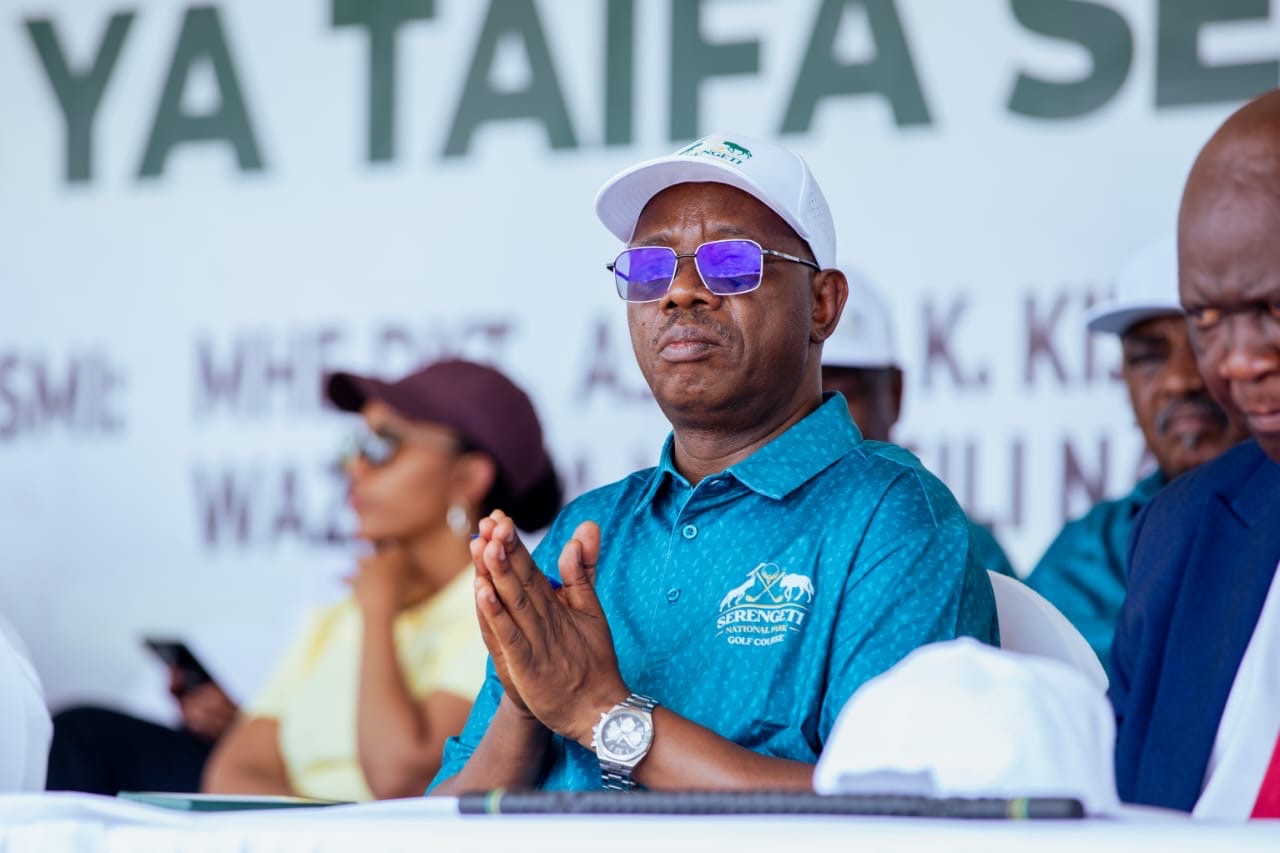 Tanzania National Parks (TANAPA) Conservation Commissioner Massana Mwishawa said during inauguration that the golf course had been designed to incorporate natural obstacles, including conserved trees within the playing area, giving the facility a distinctive character and presenting golfers with additional challenges.
The course has also been designed without a perimeter fence, allowing wildlife to move freely through the area in accordance with conservation regulations.
An underground water irrigation system has been installed as part of measures to minimise environmental impacts.
Ambassador Kairuki said the Serengeti golf course could help Tanzania appeal to a broader international market, particularly visitors seeking distinctive experiences that combine sporting activities with nature and leisure.
“For British and other international visitors, Tanzania offers an exceptional combination of wildlife, golf, cultural experiences and beach holidays. By bringing these attractions together, we can encourage visitors to choose Tanzania, stay longer and spend more across different parts of our tourism sector,” he said.
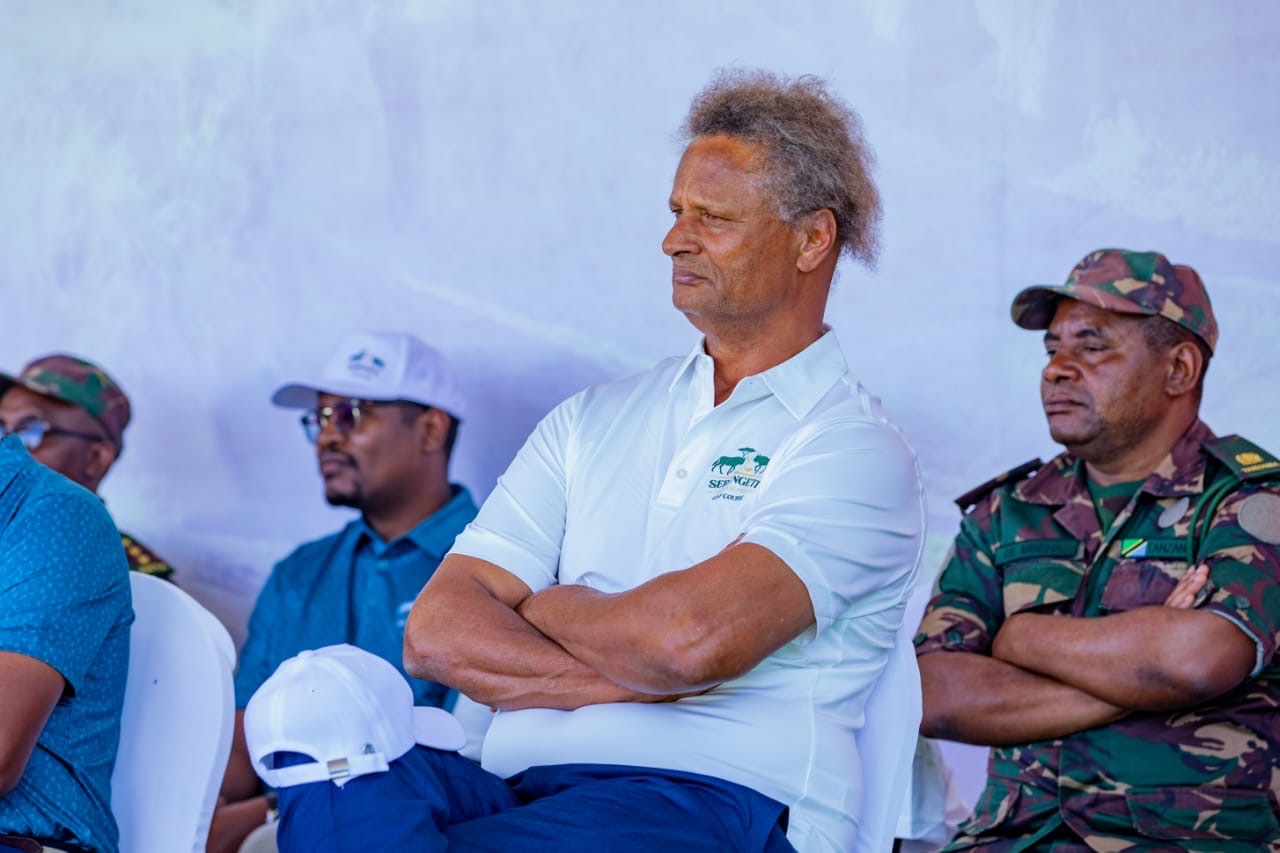 Wilbard Chambulo, Chairman of Tanzania Association of Tour Operators (TATO)
He called for collaboration with specialist golf tour operators, golf clubs, airlines and hotels to develop integrated holiday packages that are easy to book and supported by reliable transfers, quality accommodation and activities for accompanying family members.
“We need to work with international golf tour operators, airlines, hotels and golf clubs to make Tanzania accessible and attractive to golfers. The objective should be to develop complete holiday packages that provide a seamless experience from arrival to departure,” he said.
The High Commissioner also identified invitational tournaments and familiarisation visits for travel agents and golf journalists as practical ways to introduce the new attraction to international audiences.
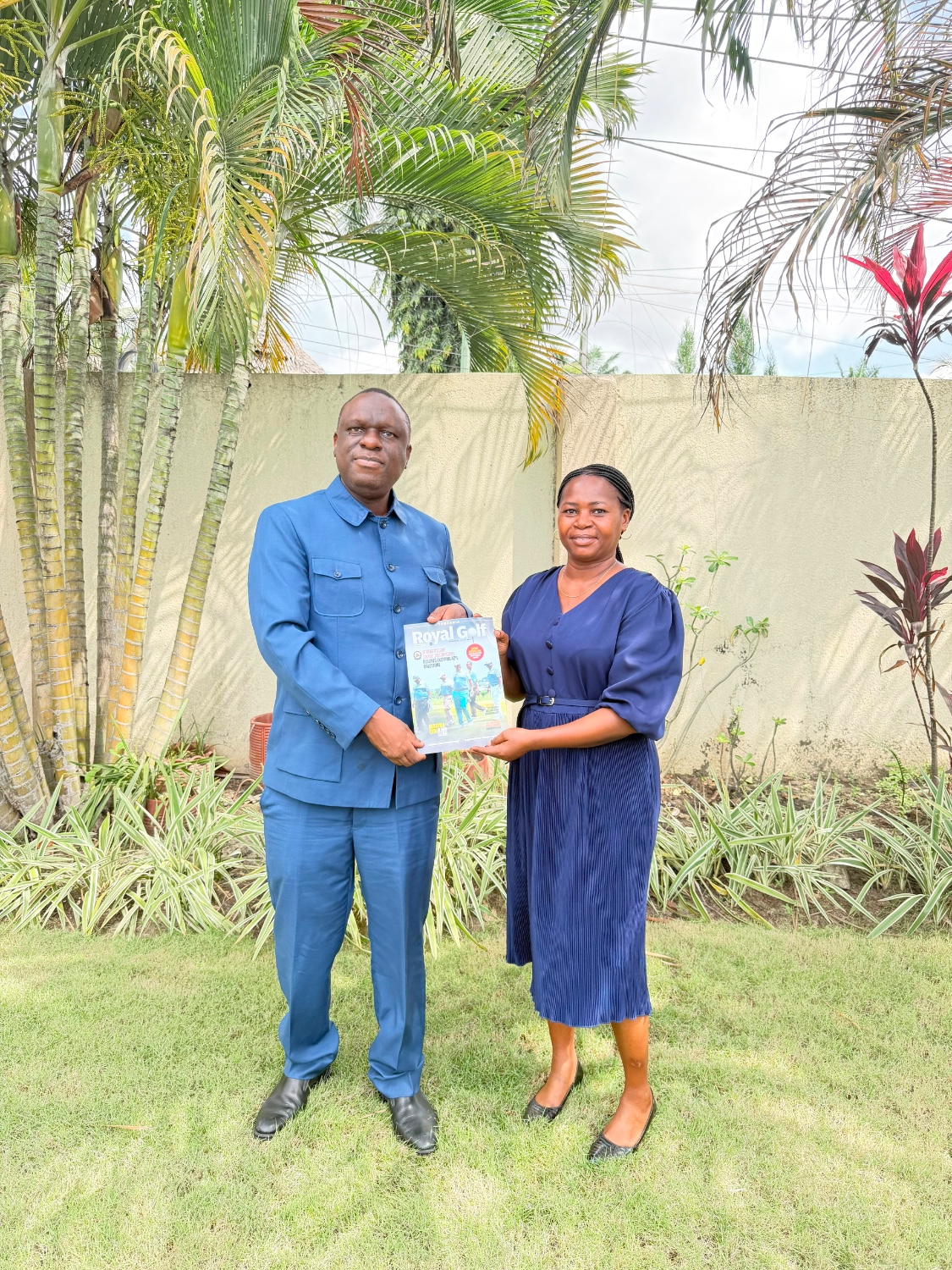
Drawing on his experience promoting Tanzania in China and the United Kingdom, Ambassador Kairuki stressed that international visibility must be matched by practical arrangements that convert interest into bookings.
“Promotion must translate into business. We should measure success not only through media coverage or the number of people who visit, but also through additional nights spent in Tanzania, visitor expenditure retained in the local economy, repeat visits and employment opportunities created for Tanzanians,” he said.
Conservation Must Remain at the Centre
While recognising the economic potential of golf tourism, Ambassador Kairuki insisted that environmental protection must guide the development and operation of the facility.t
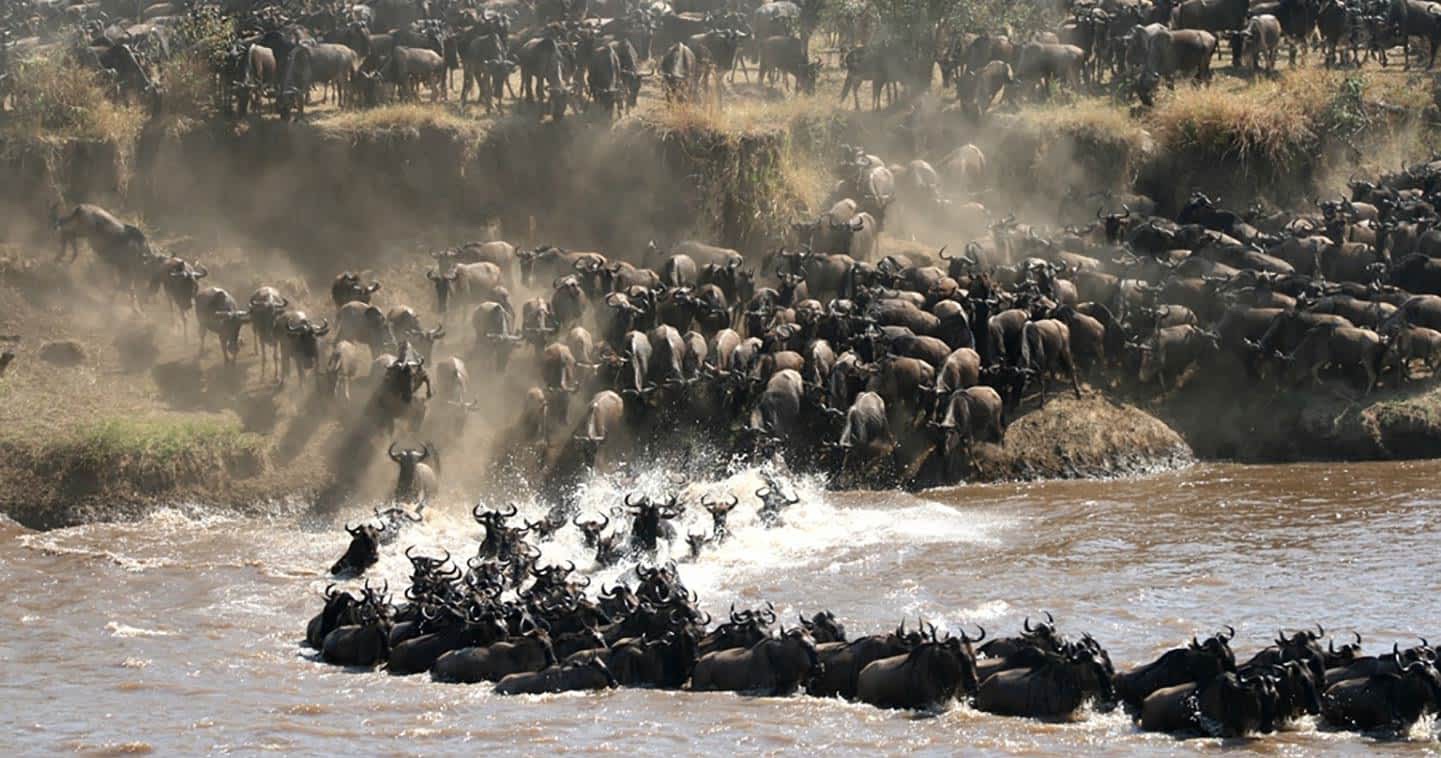
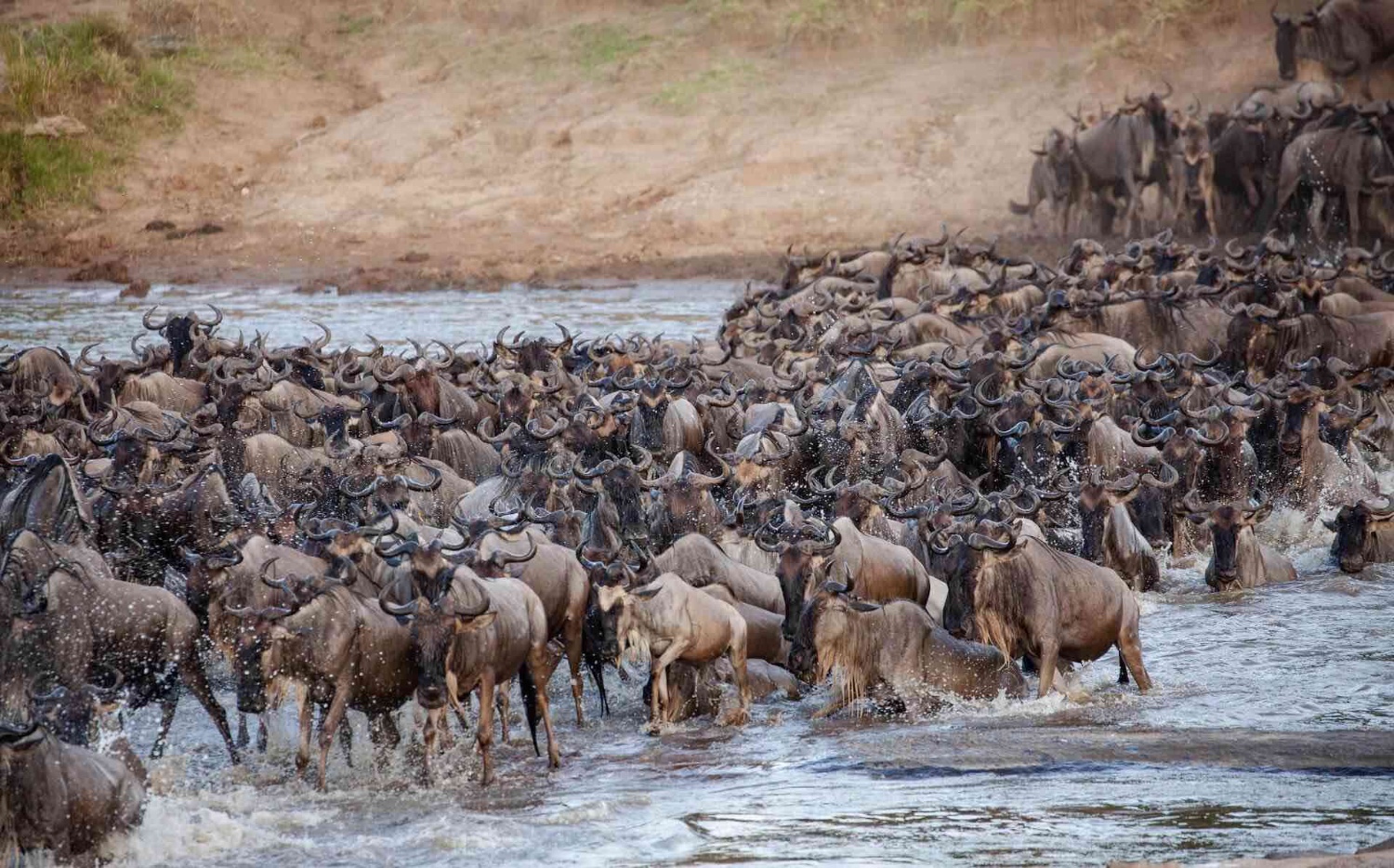
“The Serengeti’s greatest asset is its natural heritage. Its wildlife, landscapes and remarkable migration are what make it one of the most celebrated destinations in the world. Any new tourism investment must protect these resources because they are fundamental to the destination’s long-term competitiveness,” he said.
“The Serengeti’s international appeal rests on the integrity of its ecosystem. UNESCO recognises the extraordinary importance of its wildlife migration and natural landscape; protecting those assets is fundamental to the destination’s future.”
He identified the protection of wildlife corridors, responsible water management, prevention of chemical runoff and effective control of waste, lighting and noise as important priorities.
“Environmental responsibility must be built into the way the facility operates. This means protecting wildlife movement, managing water carefully, preventing pollution and ensuring that waste, lighting and noise do not adversely affect the surrounding ecosystem,” Ambassador Kairuki said.
He also called for independent environmental monitoring and adjustments to operations whenever evidence identifies potential harm to the surrounding ecosystem.
“The fact that a golf course is located near a protected area makes environmental responsibility even more important. We must be prepared to monitor our impact independently and change operational practices whenever evidence shows that improvements are needed,” he said.
Equally important, he said, was ensuring that local communities benefit directly from the investment through employment, professional training, local procurement and transparent contributions to conservation.
“Every additional visitor should create opportunities for local people, whether through employment, training, supplying goods and services or supporting conservation. The ambition should be for every additional visitor to help sustain the landscape and livelihoods that make the experience possible,” he said.
His remarks underscore the need for Tanzania’s tourism diversification strategy to complement, rather than compromise, the conservation objectives that underpin the country’s global tourism reputation.
Economic Diplomacy Can Unlock Investment
Ambassador Kairuki also underscored the role of diplomatic missions in mobilising investment and establishing international partnerships to support Tanzania’s tourism development.
“Tanzania’s diplomatic missions can play an important role in connecting credible tourism projects with international investors, hotel operators, specialist golf managers and other businesses. We can help open doors, facilitate dialogue and link Tanzanian opportunities with international expertise and investment networks,” he said.
Referring to Tanzania’s economic diplomacy engagement in London, he explained that bringing investors into direct dialogue with Tanzanian institutions could help translate interest into viable commercial partnerships.
However, he cautioned that successful investment promotion requires well-prepared projects with clear land arrangements, environmental assessments, infrastructure requirements and realistic financial projections.
“Investors need more than an attractive concept. They need clarity, credible planning, transparent arrangements and confidence that a project can be implemented successfully. Strong preparation is essential if we are to turn.”