Serengeti Set to Become Africa’s Sports Tourism Hub
By Edmund Salaho, Serengeti
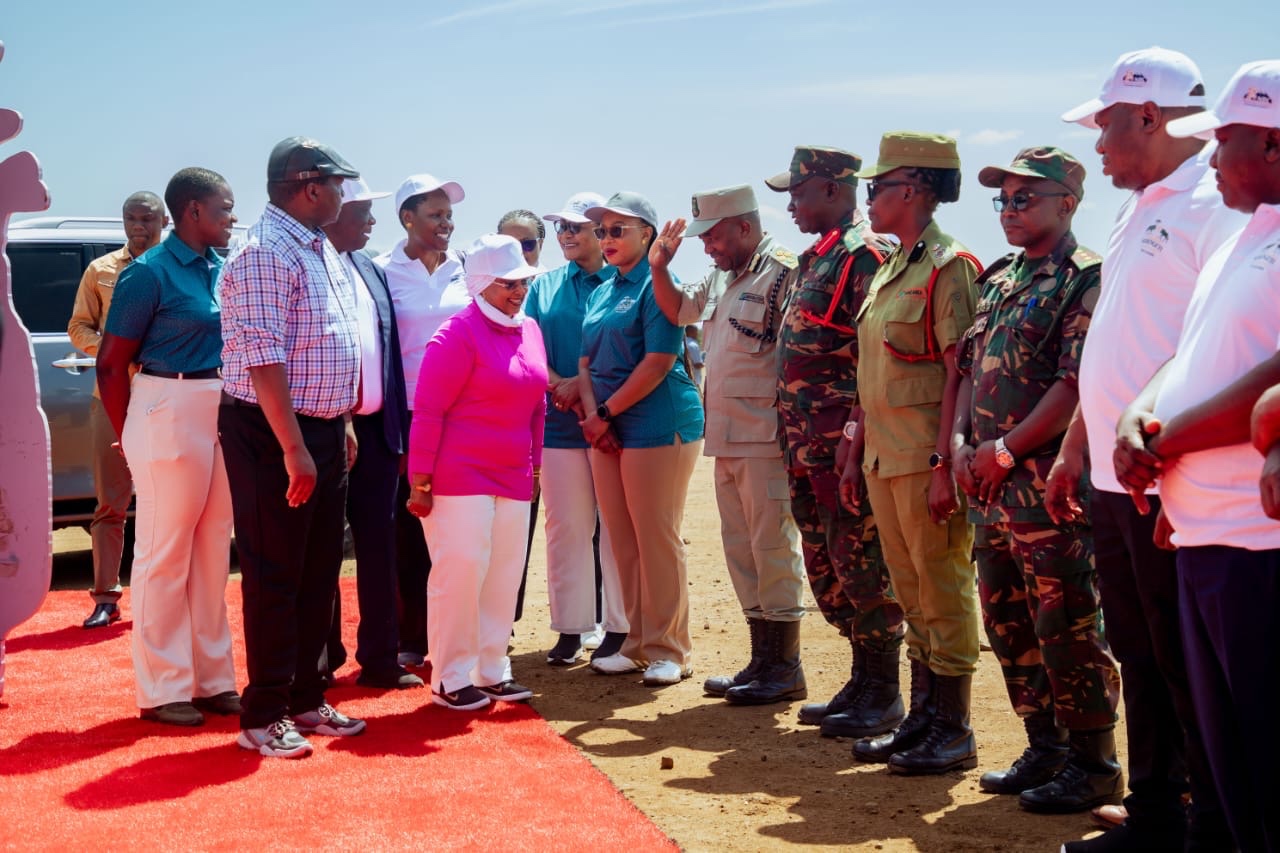
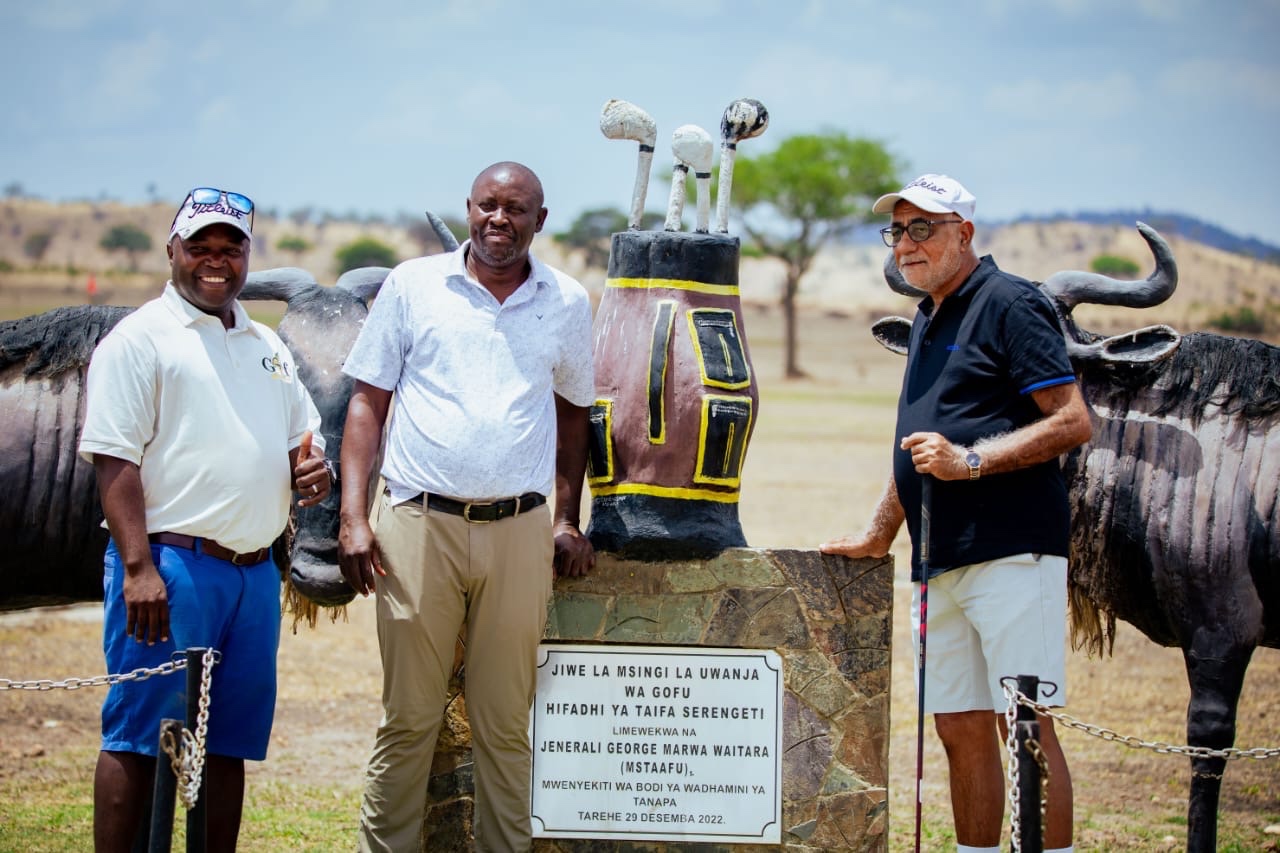
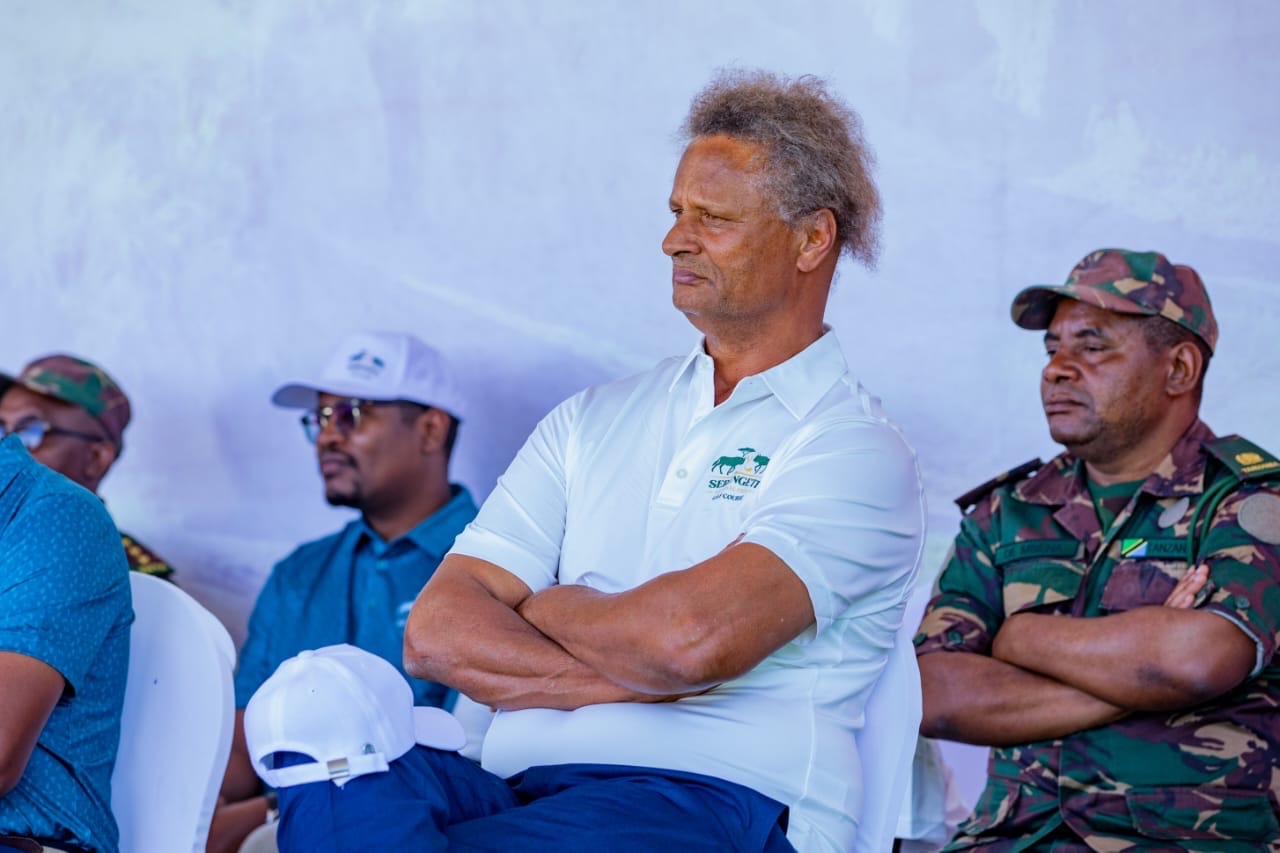
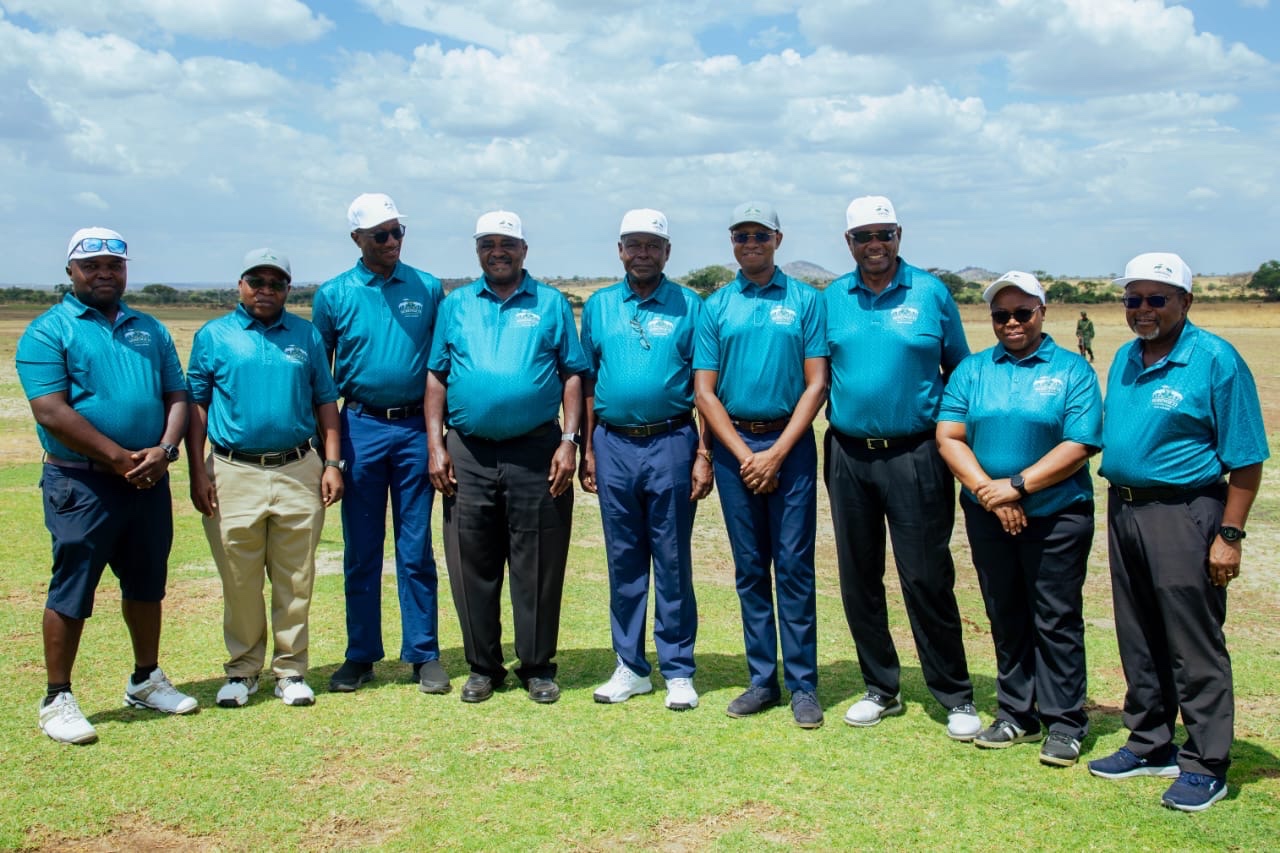
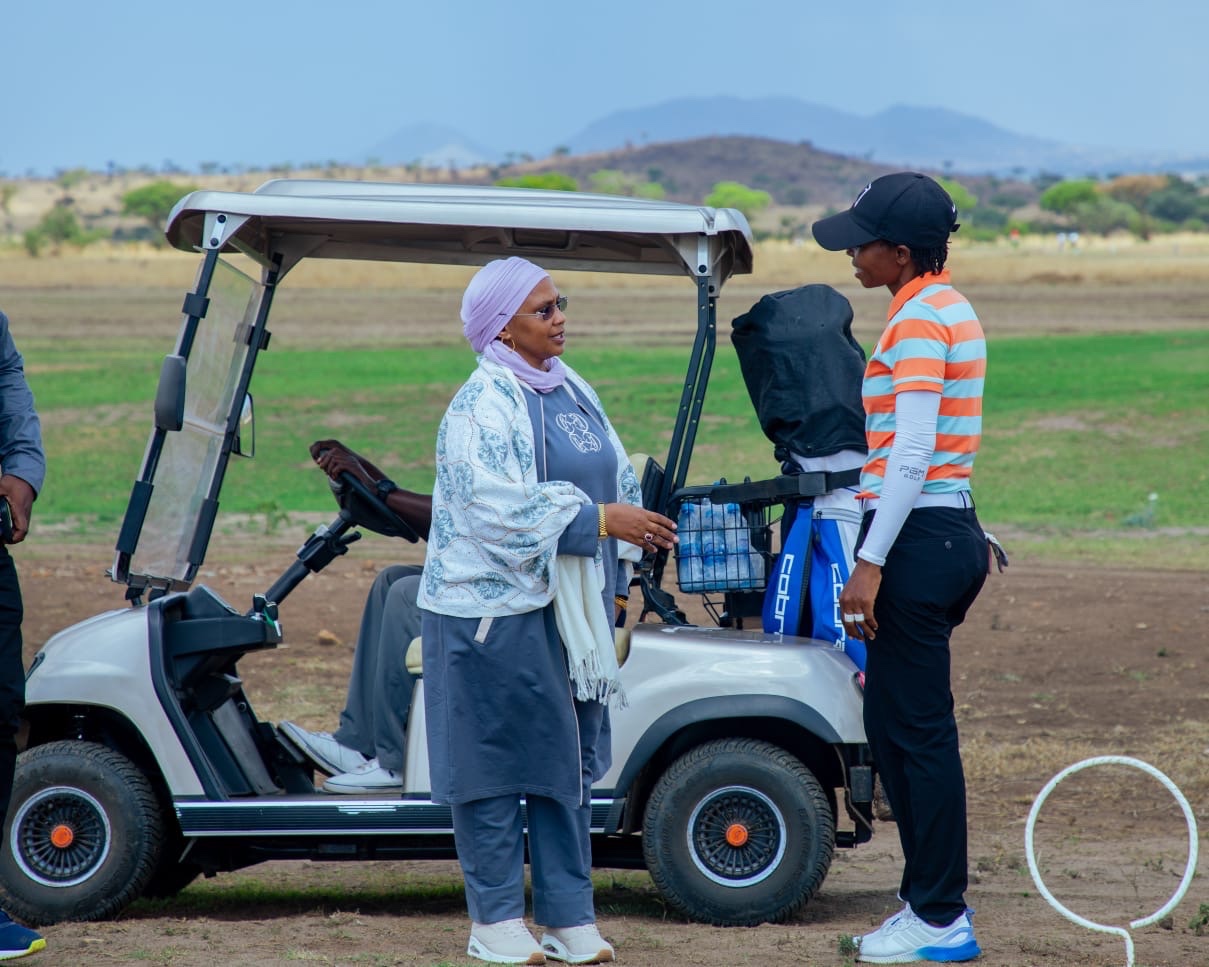
Tanzania has reinforced its commitment to promoting sports tourism with the official launch of the Serengeti National Park Golf Course at Fort Ikoma in Serengeti District, Mara Region.
The initiative aims to enhance the country’s competitiveness in the global tourism market, increase national revenue and create new employment opportunities.
The launch, held on October 18, 2026, forms part of the Sixth-Phase Government’s strategy under the leadership of President Samia Suluhu Hassan to develop new tourism products that combine wildlife conservation, sports and recreation.
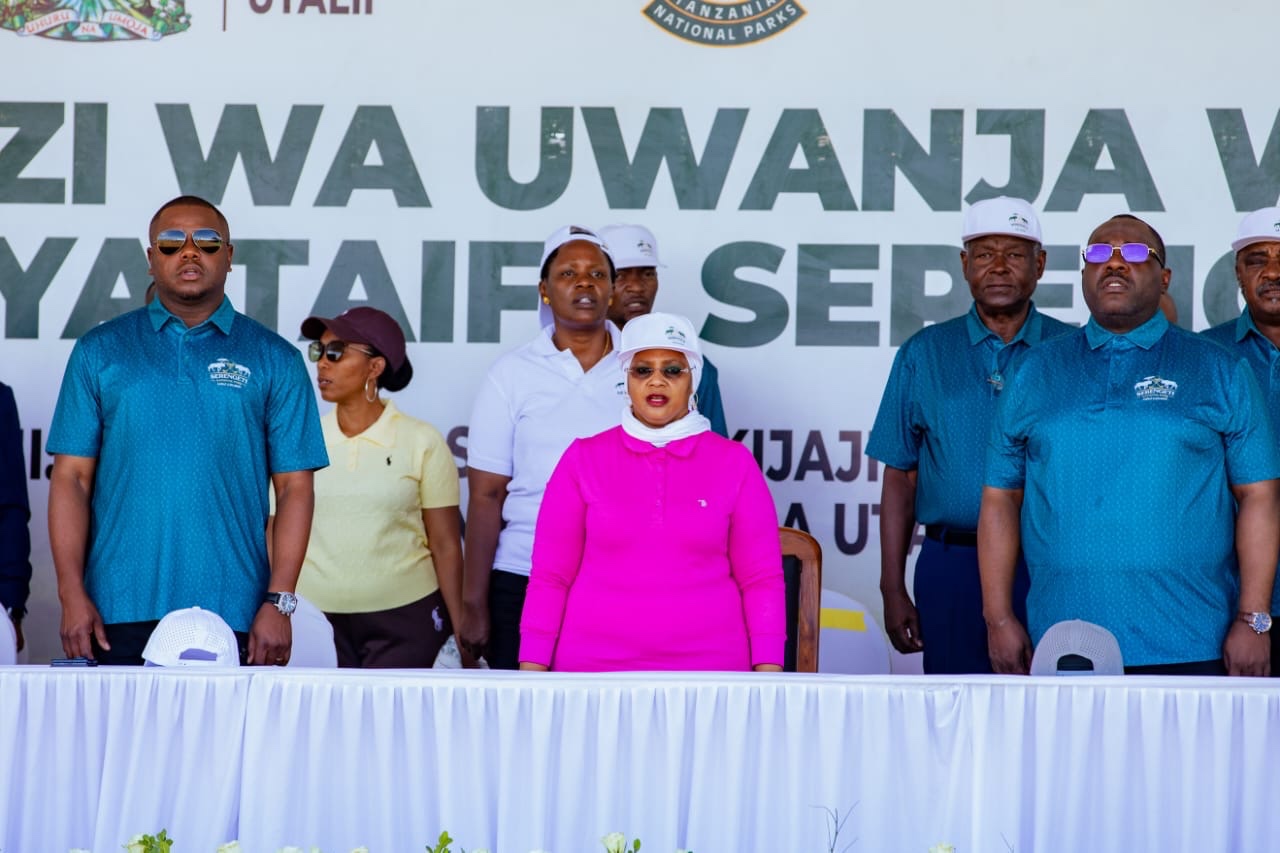
Speaking at the ceremony on behalf of President Samia Suluhu Hassan, Minister for Natural Resources and Tourism Dr Ashatu Kijaji said the investment marked a significant step towards positioning Tanzania as a leading sports tourism destination in Africa while strengthening its reputation as a premier wildlife tourism destination.
Dr Kijaji noted that sports tourism was a rapidly growing global industry with considerable economic potential. 
She said Tanzania could capitalise on this trend by attracting international visitors, hosting sporting competitions and encouraging investment in hotels, transport, accommodation and other tourism-related businesses.
“This investment is expected to increase tourism revenue, attract high-end visitors, extend tourists’ length of stay in the country, stimulate investment and create new employment opportunities for young people,” Dr Kijaji said.
She added that the golf course would provide Tanzania with an opportunity to host regional African and international golf tournaments, raising the country’s profile in the global sports tourism market.
A unique golfing experience in a wildlife conservation area
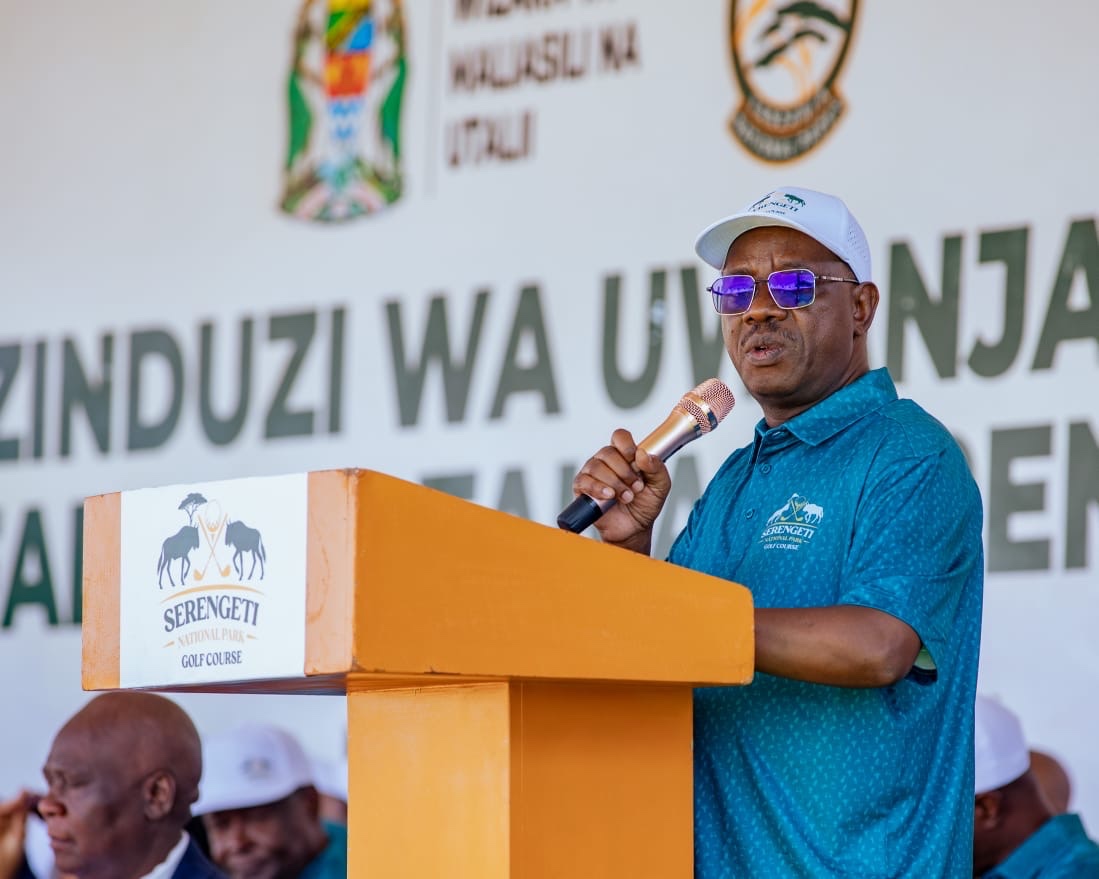
Tanzania National Parks (TANAPA) Conservation Commissioner Massana Mwishawa said the golf course had been designed to incorporate natural obstacles, including conserved trees within the playing area, giving the facility a distinctive character and presenting golfers with additional challenges.
The course has also been designed without a perimeter fence, allowing wildlife to move freely through the area in accordance with conservation regulations.
An underground water irrigation system has been installed as part of measures to minimise environmental impacts.

The presence of wildlife around the course is expected to be one of its most distinctive attractions, setting it apart from conventional golf courses around the world and offering visitors an unusual combination of sport and nature.
Boosting investment and benefits for local communities
Mwishawa described the golf course as one of the strategic projects implemented to improve Tanzania’s tourism offerings, increase the value of its attractions and broaden the range of economic activities linked to conservation.
He said communities living near Serengeti National Park stood to benefit from emerging opportunities through employment, trade and the provision of services associated with an anticipated increase in tourist arrivals.
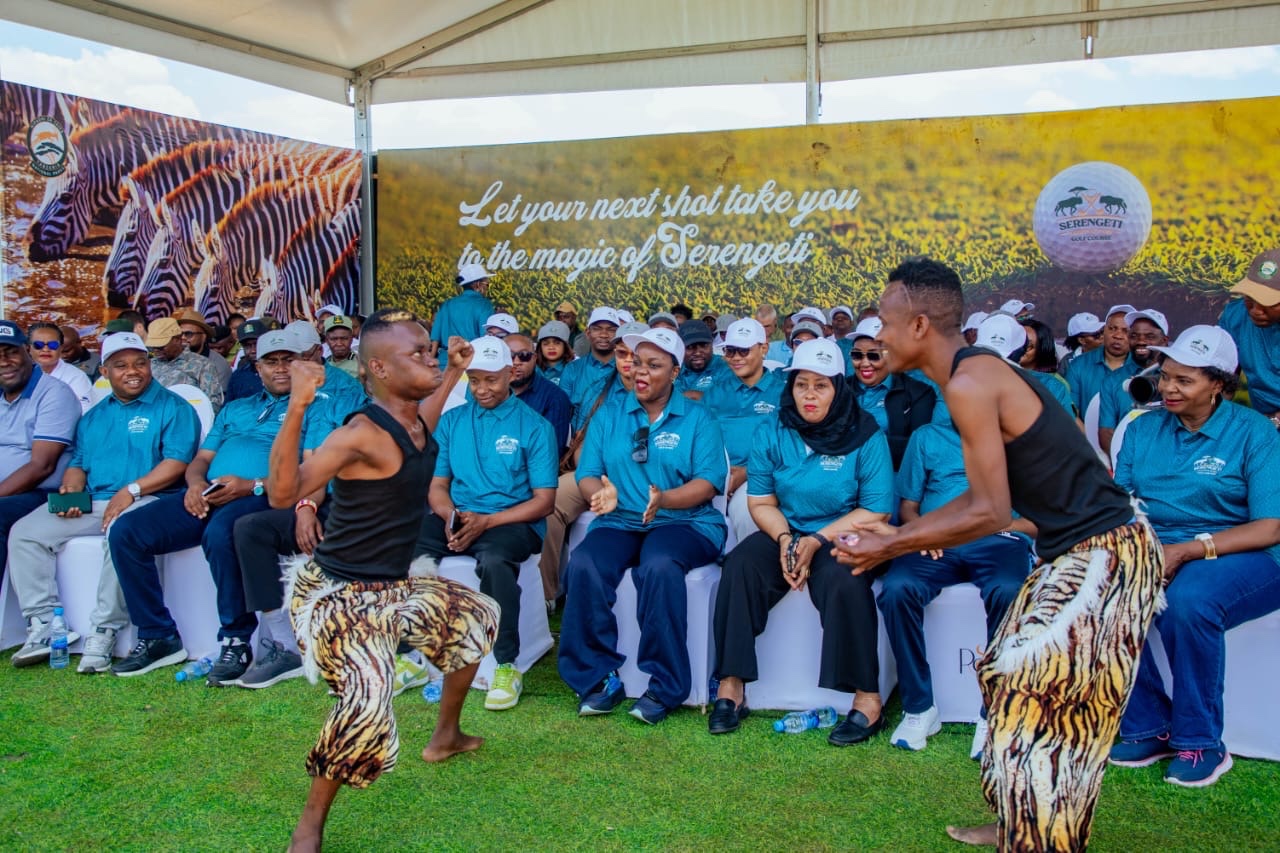
The project is expected to create opportunities across the tourism value chain, including hospitality, transport, accommodation and other businesses serving both domestic and international visitors.
By diversifying its tourism products beyond traditional wildlife safaris, Tanzania aims to attract new market segments, encourage longer stays and stimulate investment in tourism infrastructure and services.
Strengthening Tanzania’s position in global tourism

The launch of the Serengeti National Park Golf Course marks a new chapter in the integration of wildlife conservation, tourism and sports.
With its distinctive setting at Fort Ikoma, the facility is intended to expand Tanzania’s tourism offering while opening new avenues for investment and economic growth.
The initiative also underscores the government’s broader ambition to strengthen Tanzania’s competitiveness in the international tourism market while ensuring that communities surrounding protected areas can benefit from economic opportunities associated with conservation and tourism development.