
Kijaji promotes Tanzania's tourism and heritage in Seoul
Seoul, South Korea
Tanzania has stepped up its tourism diplomacy, with Minister for Natural Resources and Tourism Dr. Ashatu Kijaji promoting the country's tourism and heritage attractions during a South Korea visit.
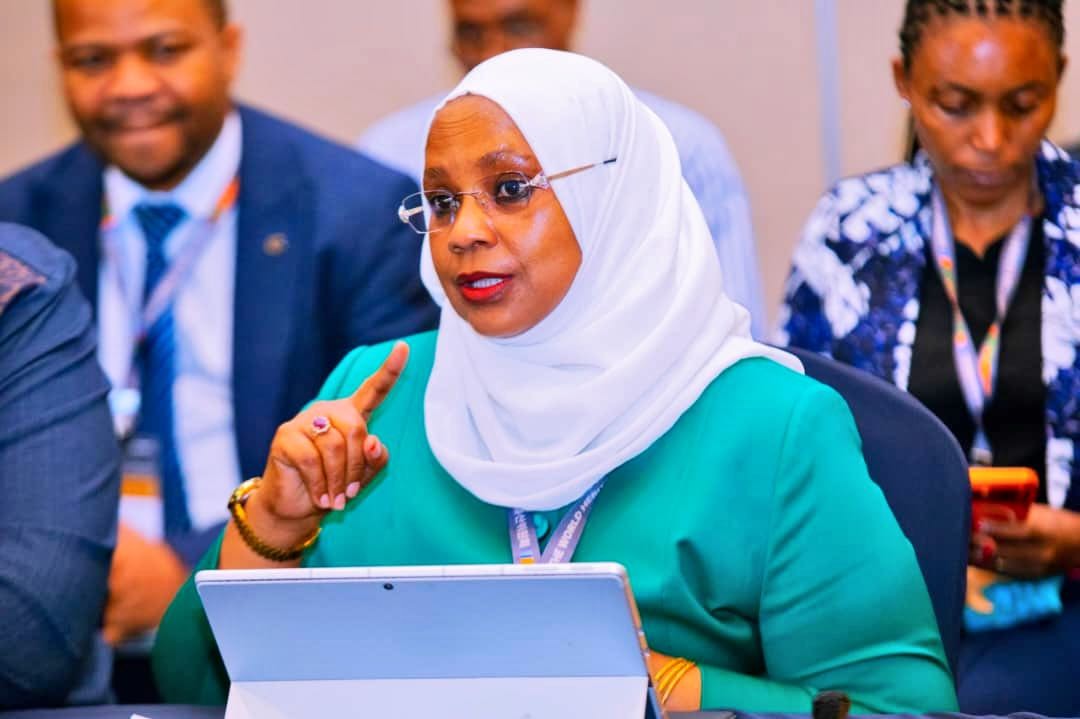
Minister for Natural Resources and Tourism, Dr. Ashatu Kijaji
During her visit, Dr. Kijaji participated in the 48th UNESCO World Heritage Committee Session, held in Busan from July 19 to 29.
She used high-level meetings and strategic side events to promote Tanzania's tourism assets while highlighting the country's efforts to protect and sustainably manage its World Heritage Sites.
In Seoul, Dr. Kijaji held talks with Tanzania's Ambassador to the Republic of Korea, Noel Kaganda, emphasizing the role of diplomatic missions in promoting Tanzania as a leading tourism destination.
She said expanding tourism marketing in South Korea forms part of the government's broader strategy to increase Tanzania's presence in Asia while raising international awareness of its rich natural and cultural heritage.
The minister noted that Tanzania's tourism appeal extends beyond its iconic wildlife destinations, highlighting archaeological, historical and cultural heritage sites as underutilized assets with significant potential to attract more international visitors.
She said a coordinated international marketing strategy would support Tanzania's goal of attracting eight million tourists annually by 2030.
Ambassador Kaganda pledged the embassy's full support, saying it would work closely with the Tanzania Tourist Board (TTB) to develop promotional strategies tailored to the South Korean market, where interest in cultural tourism and heritage experiences continues to grow.
At the UNESCO session, Dr. Kijaji also met with the organization's advisory bodies responsible for World Heritage conservation, outlining Tanzania's ongoing efforts to strengthen the protection and sustainable management of internationally recognized heritage sites, including the Ngorongoro Conservation Area and Serengeti National Park.
She also participated in several high-level side events showcasing Tanzania's conservation achievements and promoting international collaboration on the protection of World Heritage Sites.
The events brought together governments, conservation organizations and other stakeholders to exchange best practices for safeguarding globally significant natural and cultural landscapes.
On the sidelines of the summit, Dr. Kijaji met Seychelles' Minister of Tourism and Culture, Amanda Bernstein, with the two leaders agreeing to strengthen cooperation in tourism development, conservation and knowledge sharing.
Their discussions also focused on expanding tourism markets across Africa and enhancing regional collaboration in promoting the continent as a premier global travel destination.
The minister also held talks with Palestine's Ambassador and Permanent Delegate to UNESCO, Adel Atieh, highlighting Tanzania's tourism opportunities and continued investment in protecting its World Heritage Sites.
Ambassador Atieh commended Tanzania's commitment to sustainable conservation and encouraged the country to continue promoting responsible tourism while preserving the integrity of its globally significant heritage sites.
In another bilateral meeting, Dr. Kijaji met Kenya's Cabinet Secretary for Gender, Culture, Arts and Heritage, Hannah Cheptumo.
The two sides agreed to develop a long-term framework for cooperation on the protection, conservation and sustainable management of World Heritage Sites across the region, reinforcing East Africa's shared commitment to preserving its cultural and natural heritage.
Dr. Kijaji's visit underscores Tanzania's growing use of tourism diplomacy to expand international partnerships, strengthen conservation efforts and promote the country as a leading destination for wildlife, heritage and sustainable tourism, while advancing its Vision 2030 target of attracting eight million visitors annually.